Getting Started With Fresh Milled Flour
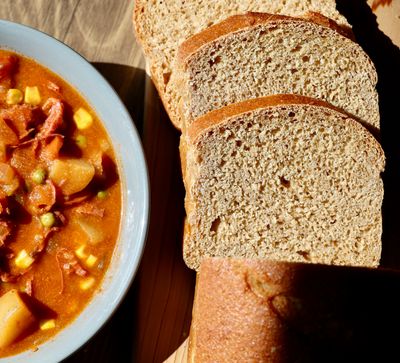
If you're new to baking with freshly milled flour, welcome! Freshly milled flour is nourishing and flavorful, but it does behave differently than store-bought flour. By incorporating the autolyse technique and following a few baking tips, you’ll find that making small adjustments can lead to a big difference in your baking success!
Start With Fresh Milled Flour Specific Recipes
One of the most crucial baking tips is to avoid converting a white flour recipe immediately. Freshly milled flour has unique properties that set it apart: it absorbs water differently, develops gluten more slowly, and requires more rest time. To get the best results, choose a recipe specifically designed for freshly milled flour. This will help you understand how it behaves, especially when utilizing techniques like the autolyse technique. Once you're comfortable with these adjustments, adapting recipes will become much easier. It's also beneficial to start with muffins or other forgiving recipes before diving into bread!
Choose The Right Grain
Hard wheat produces a strong flour ideal for yeast breads and doughs that need good rise and structure. Kamut (Khorasan wheat) is also a robust grain and blends well with hard wheat to create hearty loaves, flatbreads, and pizza crusts. It can also be used in cookies and other baked goods. Durum is a hard wheat traditionally used for pasta and some flatbreads. For lighter, more tender baked goods, choose softer grains such as spelt, einkorn, or soft wheat. These grains are excellent for muffins, quick breads, cookies, cakes, and pancakes.
If you are just getting started, hard white wheat is a great first grain for bread and yeasted doughs and soft white wheat is an easy starting point for cookies and muffins.
Weigh, Don’t Measure
Weighing your flour and other ingredients gives you a consistent amount every time, which leads to more predictable hydration, better dough texture, and repeatable results.
Autolyse
Freshly milled flour benefits greatly from the autolyse technique—a rest period after mixing flour and water (before adding salt or yeast/sourdough). This baking tip is essential because:
- Bran softens and hydrates
- Gluten begins developing naturally
- The dough becomes smoother and easier to work with.
A 30-minute autolyse can dramatically improve the texture and structure of your baked goods.
Increase Hydration
Freshly milled flour absorbs more water than white or store-bought whole wheat flour . Your dough may feel sticky at first but resist the urge to add extra flour immediately and allow your dough to rest instead. This higher hydration leads to a softer crumb, better oven spring, and less dense loaves.
Internal Temperature
Check if your baking is done by using a thermometer to check the internal temperature. Familiarize yourself with the recommended internal temperatures for different types of baked goods.
Mixer Use Guidance
Freshly milled flour is robust, which can place a greater demand on mixing equipment compared to refined flour. Mix at slower speeds and monitor for signs of strain. For heavier doughs, it's beneficial to mix in shorter intervals, allowing the mixer to rest while the dough hydrates. Additionally, finishing the dough by hand kneading between rests can support proper development and reduce mechanical strain. Always remember to follow your mixer manufacturer's baking tips and operating guidelines.